
Welcome to Central Texas Sports Medicine & Orthopaedics!
We're dedicated to getting you back on the field and back in the game! Our state-of-the-art facility is conveniently located on the east side of Highway 6, in the heart of Bryan/College Station, Texas.
Working together as a team, we provide comprehensive, efficient medical care from sports physicals to physical therapy and orthopaedic surgery.
Contact and Location
Get in touch with us or find our clinic.
Our Office
Address: 3121 University Dr. E., Suite 100 Bryan, TX 77802
Phone: (979) 776-0169
Fax: (979) 776-1372
Office Hours:
- Monday - Thursday: 8:00 a.m. - 5:00 p.m.
- Friday: 8:00 a.m. - 12:00 p.m.
- (Closed for lunch: 11:45 a.m. - 1 p.m.)
Meet Our Providers
Highly educated, well-trained, and board-certified physicians and mid-level providers.
Meet Our PT Department
Our dedicated physical therapy team is here to restore function and movement.
Our Services
Comprehensive orthopaedic and sports medicine services.
Resources
Helpful resources and rehabilitation protocols for our patients.
Physical Therapy Rehabilitation Protocols
Click below to download our rehabilitation protocols.
ACL Reconstruction Physical Therapy Protocol
Download PDFArthroscopic Anterior Bankart Repair
Download PDFArthroscopic Posterior Bankart Repair
Download PDFRotator Cuff Repairs PT Protocol
Download PDFSLAP Repair PT Protocol
Download PDFUlnar Collateral Ligament PT Protocol
Download PDFReconditioning Protocols
Click below to download our reconditioning protocols.
Non-Operative Return to Throwing Program
Download PDFPatellofemoral-Quadriceps Strengthening
Download PDFPost UCL Reconstruction or Post Labral Repair Return to Throwing Protocol
Download PDFReturn to Running Program
Download PDFLittle League - 12 & Under Return to Throwing Program
Download PDFACP & PRP Therapies
ACP Injection (Autologous Conditioned Plasma)
An ACP injection uses your own blood platelets to promote healing in injured tissues. It can help reduce inflammation, relieve pain, and accelerate recovery in joints, tendons, and muscles with minimal downtime.
Platelet-Rich Plasma (PRP)
A Platelet-Rich Plasma (PRP) injection concentrates platelets from your own blood and delivers them to an injured area to stimulate and enhance your body's natural healing process. This cutting-edge treatment can accelerate recovery for various musculoskeletal conditions.
Concussion Clinic
Comprehensive Concussion Clinic
Athlete Safety First. Our team of sports medicine physicians, physical therapists, and certified athletic trainers can help you get back in the game! Our clinic offerings include confirmation of concussion diagnosis, advanced concussion management, neuro concussion testing (c3 logix), Buffalo Protocol exercise testing, sub-symptom exercise prescription, vestibular rehab for concussions, return to play and learn protocols, as well as supplement and Rx recommendations.
DME
DME Services
Durable Medical Equipment (DME) services to assist with your recovery and mobility needs. We offer custom fitting and high-quality equipment.
MRI
MRI Services
State-of-the-art MRI services on-site for accurate and efficient diagnosis of musculoskeletal conditions.
Shoulder Care
Overview & Specialized Care
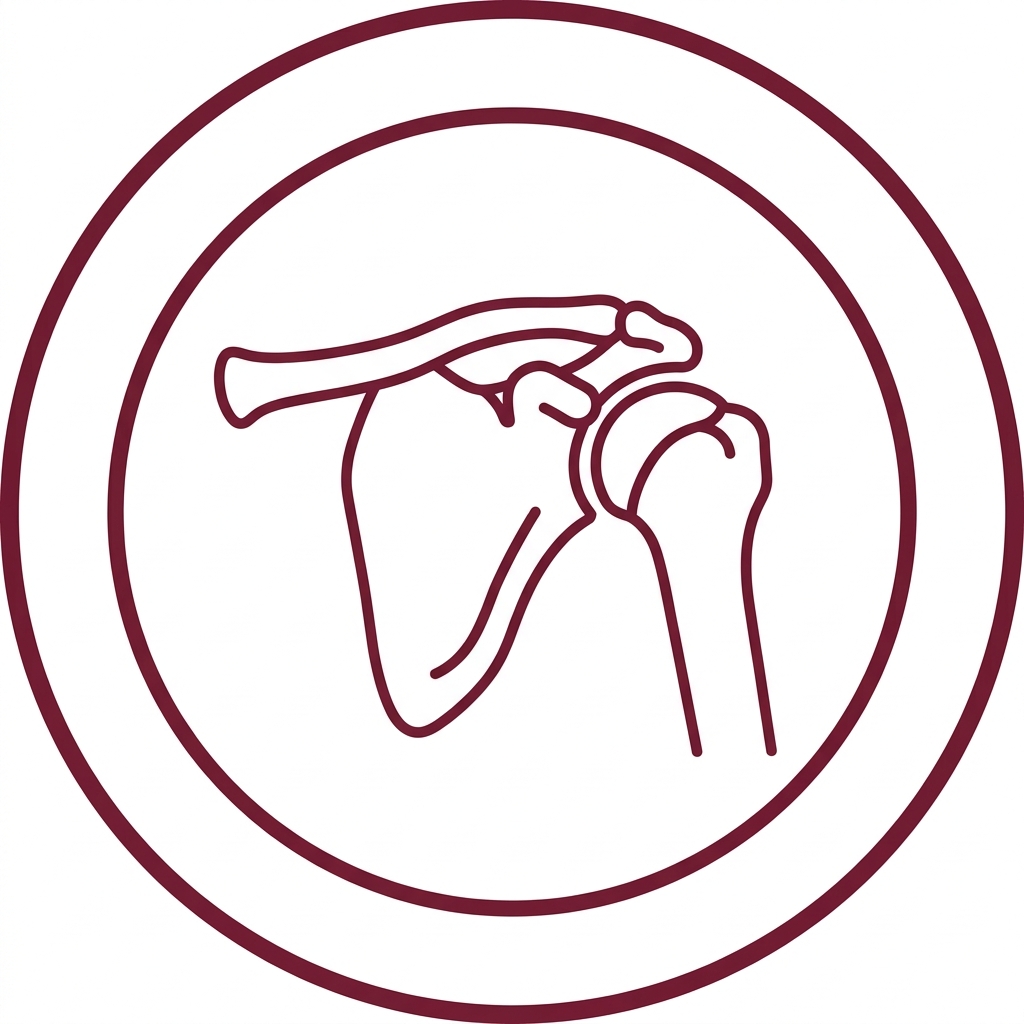
Central Texas Sports Medicine provides integrated care for shoulder pain, traumatic injuries, and chronic degenerative disorders. Our team of orthopaedic surgeons and non-operative sports specialists develops tailored recovery strategies based on the precise mechanics of your shoulder.
Shoulder Anatomy & Function
The shoulder is a dynamic system composed of three bones—the humerus (upper arm bone), the scapula (shoulder blade), and the clavicle (collarbone)—joined together across multiple articulations. Cushioned by articular cartilage, stabilizing ligaments, and protective fluid sacs (bursae), this joint is powered by the rotator cuff musculature and tendon complex. This anatomy affords expansive range of motion, allowing for overhead lifting and athletic throwing, but leaves the joint vulnerable to overuse and acute trauma.
Conditions & Treatments
We evaluate symptoms including persistent aching, weakness, stiffness, loss of motion, and subjective feelings of joint looseness or instability. Frequently treated conditions include rotator cuff tears and tendinopathy, glenoid labral tears, SLAP lesions, shoulder impingement syndrome, bursitis, adhesive capsulitis (frozen shoulder), acromioclavicular (AC) joint separations, shoulder instability, dislocations, and glenohumeral osteoarthritis.
Management options range from structured physical therapy and targeted corticosteroid injections to advanced surgical interventions, including minimally invasive shoulder arthroscopy, labral and rotator cuff repair, and anatomic or reverse total shoulder replacement.
Elbow Care
Overview & Collaborative Approach
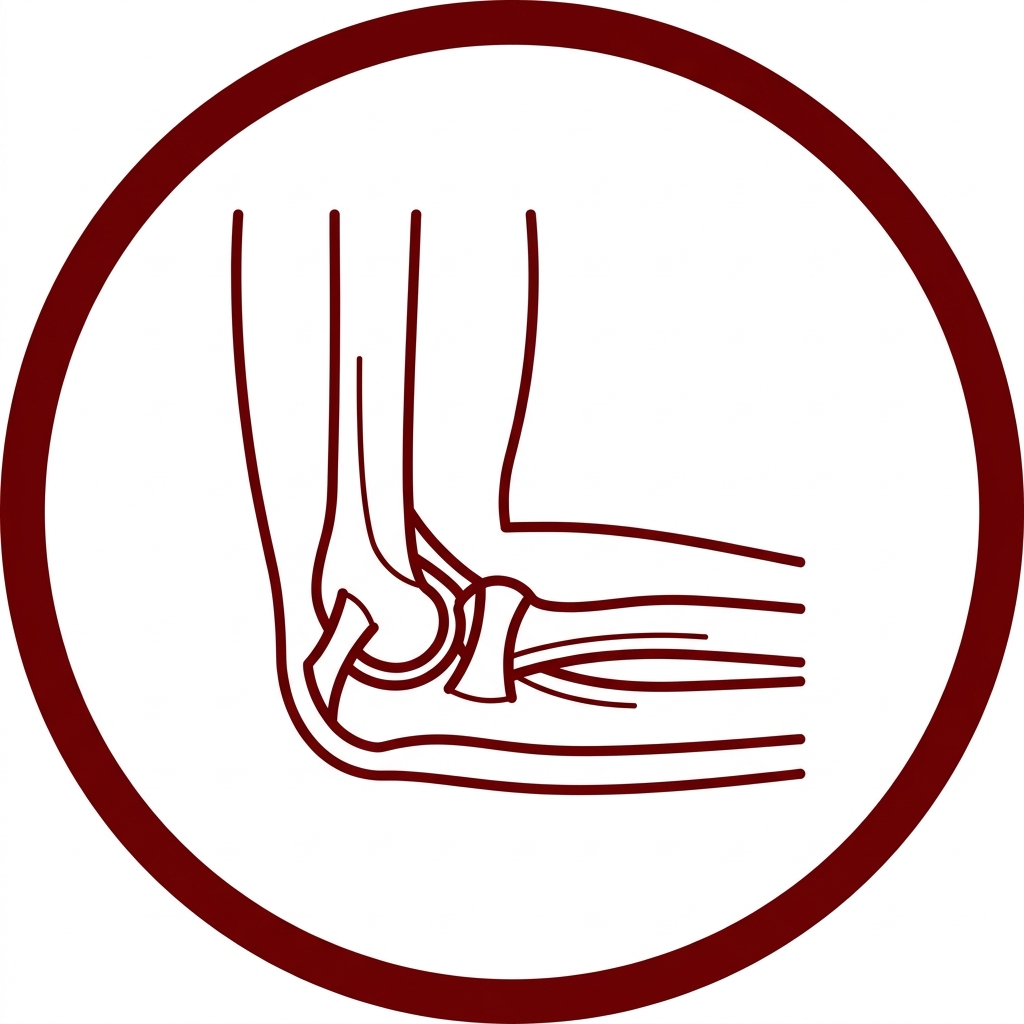
At Central Texas Sports Medicine, our non-operative sports physicians and orthopaedic surgeons work collaboratively to evaluate and manage acute injuries, chronic ailments, and structural conditions of the elbow. Every care plan is tailored to the specific functional demands and health goals of the individual patient.
Conditions Evaluated & Managed
Our medical team manages a wide spectrum of elbow disorders, ranging from common ailments such as tendinitis, bursitis, muscle strains, ligament sprains, overuse trauma, and pediatric growth plate injuries to complex trauma including distal biceps tendon ruptures, fractures, joint dislocations, cubital tunnel/ulnar nerve compression, and ulnar collateral ligament (UCL) tears.
Conservative Care & Advanced Surgical Options
Conservative therapy forms the foundation of our initial approach whenever appropriate, utilizing immobilization, bracing, therapeutic injections, targeted physical therapy, and activity modification. When surgical intervention provides the best path to recovery, our surgeons employ modern techniques, including minimally invasive arthroscopy, biceps tendon repair and reconstruction, Tommy John surgery (UCL reconstruction), and UCL repair with internal brace augmentation.
We partner seamlessly with physical therapists to ensure a safe, coordinated, and efficient return to athletic competition, work, and daily activities.
Comprehensive Knee Care
Overview & Specialized Care
From acute sports trauma to degenerative wear, Central Texas Sports Medicine offers advanced care for active individuals, student athletes, and adults suffering from chronic knee issues. Our fellowship-trained surgeons and sports physicians deliver customized treatment plans to reduce discomfort, preserve native joint structures, and restore functional mobility.
Conditions Evaluated & Treated
We routinely manage anterior cruciate ligament (ACL) tears, posterior cruciate ligament (PCL) injuries, medial collateral ligament (MCL) tears, meniscal tears, complex meniscus root injuries, multi-ligament disruptions, patellar dislocations and instability, articular cartilage damage, chondral defects, patellofemoral pain syndrome (runner’s knee), iliotibial (IT) band syndrome, patellar and quadriceps tendon ruptures, knee fractures, osteoarthritis, and early-onset degenerative joint disease.
Advanced Treatment Modalities
Our clinical capabilities encompass comprehensive sports medicine evaluations, personalized rehabilitation regimens, ultrasound-guided injections, platelet-rich plasma (PRP) therapy, knee arthroscopy, cartilage restoration procedures, meniscus repair, meniscal allograft transplantation, anatomical ACL reconstruction, realignment osteotomies, and unicompartmental (partial) or total knee arthroplasty using advanced robotic-assisted platforms.
Sports Knee Care & Joint Preservation
Prompt evaluation is critical following an acute injury on the field, court, or gym. Whenever feasible, our primary objective is joint preservation—maintaining the natural anatomy while stabilizing ligaments and repairing cartilage. In cases of degenerative arthritis, we emphasize early, non-surgical relief strategies to avoid or delay major surgery until necessary. Our physicians collaborate directly with physical therapy providers to guide safe progression back to sport and everyday life.
Foot & Ankle Care
Overview & Specialized Care
The foot and ankle team at Central Texas Sports Medicine unites non-surgical sports medicine physicians with fellowship-trained orthopaedic foot and ankle surgeons to deliver comprehensive care for traumatic injuries, sports-related conditions, and degenerative disorders.
Conditions Evaluated & Treated
Our clinicians routinely treat everyday conditions as well as complex trauma, including ankle sprains, high ankle (syndesmotic) sprains, plantar fasciitis, chronic heel pain, Achilles tendinitis, complete Achilles tendon ruptures, Jones fractures, metatarsal stress fractures, complex bone trauma, Lisfranc joint injuries, and turf toe.
Non-Surgical Solutions & Advanced Surgery
Non-surgical solutions are prioritized whenever possible, incorporating custom orthotics, immobilization braces, targeted injections, and structured rehabilitation. When structural repair or surgical correction is indicated, our foot and ankle surgeons perform advanced procedures tailored to patient needs, such as minimally invasive and arthroscopic ankle procedures, acute fracture fixation, structural deformity correction, ligament reconstruction, tendon repair or realignment, realignment osteotomies, foot and ankle arthrodesis (fusion), and total ankle joint replacement (arthroplasty).
Through close communication with physical therapists, we ensure each patient receives guided rehabilitation to restore mobility and facilitate a swift, safe return to performance.
Joint Replacement
Overview & Specialized Care
At Central Texas Sports Medicine, our joint replacement specialists evaluate and manage advanced osteoarthritis involving the shoulder, elbow, hip, knee, and ankle. By integrating modern diagnostic protocols with cutting-edge surgical modalities, our team focuses on durable pain relief and improved joint mechanics.
Our Treatment Philosophy
We approach joint restoration as a collaborative partnership. The evaluation begins with an in-depth consultation, reviewing past medical history, conducting a thorough physical exam, and evaluating diagnostic imaging.
Even when imaging confirms significant arthritic changes, non-operative management is virtually always our primary recommendation. Conservative protocols may incorporate physical therapy, structured weight management, anti-inflammatory medications, functional bracing, targeted joint injections, and activity modification.
Arthroplasty is considered only after conservative therapies fail to provide sufficient relief and when persistent joint limitations dictate daily activities and quality of life. The decision to undergo surgery is made through open, shared dialogue between the patient, their family, and our orthopaedic surgeons.
Comprehensive Spine Care
Overview & Care Approach
Central Texas Sports Medicine provides Orthopaedic spine care with Dr. Jacob Heiner for problems in the neck, mid-back, and low back. Most of this work is degenerative — nerve compression, worn discs and joints, and pain that has not settled.
Care starts by finding the structural pain generator, then choosing the least step that can help. There is often more than one reasonable path. Non-operative care comes first when it is the right next step. Surgery is considered only with a clear target. When an operation is the right step, the preference is a minimally invasive, endoscopic, or motion-preserving technique when that technique fits: fix the problem, and disturb as little of the rest of the spine as the fix allows. A smaller operation is not always the right one. Fusion is sometimes the more honest choice.
Conditions Managed
We treat cervical and lumbar radiculopathy (sciatica), herniated discs, spinal stenosis, nerve compression, degenerative disc disease, spondylolisthesis, facet-related pain, chronic neck or low-back pain, and some vertebral fractures. Pressure on the spinal cord (myelopathy) is evaluated promptly.
Non-Surgical Care
We work closely with our interventional pain management and non-surgical spine colleagues to assist with diagnosis and treatment of certain conditions. An injection or another non-operative step can help confirm a pain source or calm symptoms. Whether that is useful is discussed case by case. It is not a standing list of procedures. Physical therapy is often the starting point.
When Surgery Is Considered
An operation is a later step, not the default. It is considered for a defined problem — a compressed nerve or spinal cord, progressive weakness, or pain that has not improved with appropriate non-operative care — after the imaging and the options have been walked through in plain language. The operation chosen is the one that fits the problem, including a motion-preserving approach when the anatomy supports it.
Patient Forms
Download and review the following forms and policies prior to your visit.